top of page

Food Security

  • marcomm90
  • Jul 23
  • 7 min read

Food security is a fundamental human right and an essential foundation for building a healthy and prosperous society. Millions of vulnerable people around the world—widows, orphans, and economically disadvantaged groups—suffer daily from a lack of adequate and nutritious food. Addressing this crisis can inspire resilience, dignity, and hope among the distressed.

 Food Security
Food Security

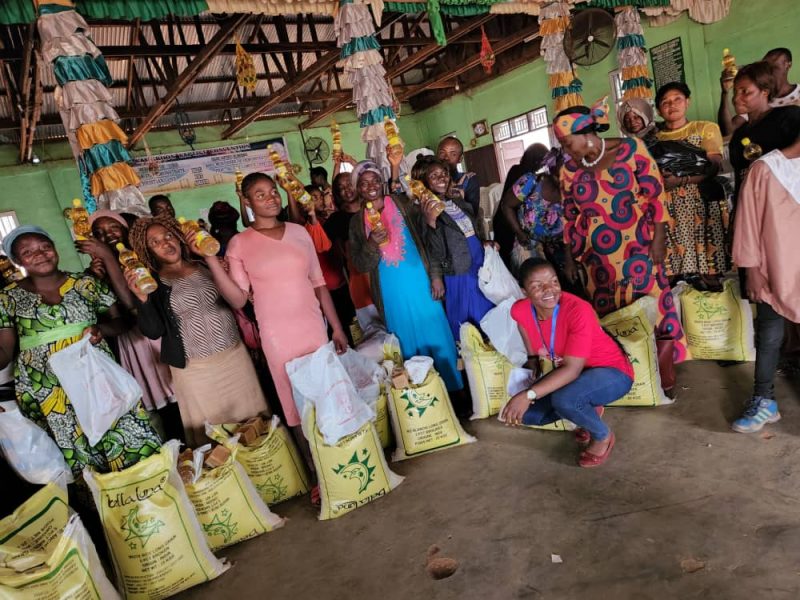
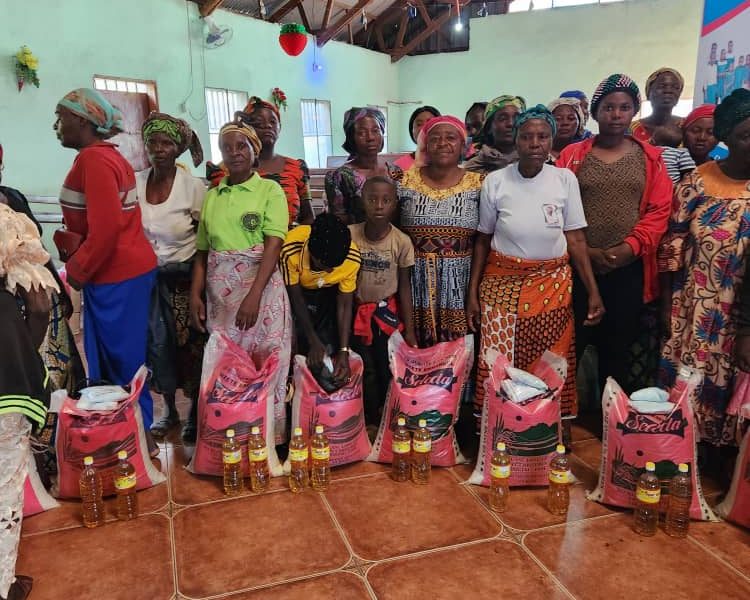
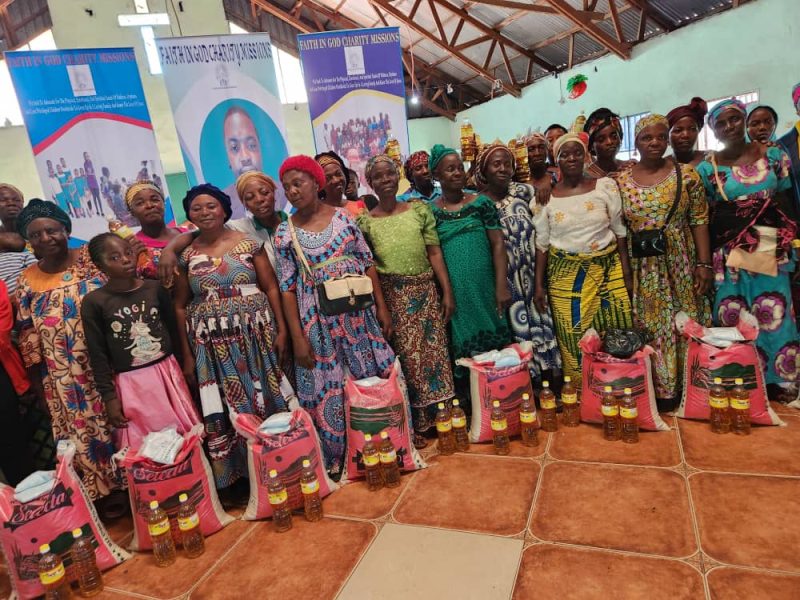
Faith in God Charity Missions recognizes the urgent need to ensure food security for vulnerable populations. One of our key initiatives is the Monthly Food Distribution Program, through which we consistently supply essential food items to support their health and alleviate hunger. This article explores the importance of food security, the challenges it faces, and how goal-driven initiatives like ours can create a long-lasting positive impact.


What is food security?

Food security means that all people, at all times, have physical, social, and economic access to sufficient, safe, and nutritious food that meets their dietary needs and preferences for an active and healthy life.

There are four main pillars of food security:


1. Availability

From crop cultivation, livestock raising, and fishing to proper storage and transportation, all are essential to make food accessible. Without food availability, it becomes difficult to meet the population’s nutritional needs. Success in this area requires modern technology, proper use of seeds and fertilizers, and effective preservation systems.


2. Access

For the poor, disabled, or socially marginalized, food access can be significantly restricted. Therefore, ensuring food access requires subsidies, food distribution programs, and the creation of economic opportunities for the underprivileged.


3. Utilization

Proper utilization of food ensures the body receives adequate energy and nutrition. This includes access to clean water, a hygienic environment, and proper health practices. These are vital for effective food utilization. Reducing health complications and enhancing immunity are also closely linked to proper food use.


4. Stability

‘Stability’ ensures that access to food does not suddenly disappear due to weather, economic shifts, or other disruptions. Without stability, people fall into recurrent food crises, leading to chronic malnutrition and weakness.


When any of these pillars are compromised, food security is threatened, resulting in hunger, malnutrition, and vulnerability.


Extent and Impact of Food Insecurity

Globally, nearly 800 million people face chronic hunger. Many vulnerable populations, orphans, and widows, are particularly affected. These groups often lack financial security, social support, and safety nets, placing them at greater risk.

Food insecurity impacts individuals and societies in several dimensions:

  • Health Impacts: Malnutrition (e.g., underweight, nutrient deficiency) weakens immunity. In children, it impairs growth, cognitive development, and long-term potential.

  • Economic Impacts: Hunger and malnutrition reduce productivity, increase healthcare costs, and trap families in cycles of poverty.

  • Social Stability: Food shortages can lead to social unrest, migration, and conflict, destabilizing entire regions.

  • Educational Outcomes: Hungry children struggle to focus in school and have higher absenteeism, harming their future prospects.


Ensuring food security is vital to achieving several UN Sustainable Development Goals (SDGs), such as Zero Hunger, Good Health and Well-being, Quality Education, and Reduced Inequalities.


Challenges in Ensuring Food Security for Vulnerable Groups

Several complex factors hinder food security for widows, orphans, and other disadvantaged individuals:

  • Economic Constraints: A lack of stable income makes it nearly impossible for the poor to afford nutritious food.

  • Social Discrimination & Isolation: Widows often face societal exclusion, losing community support.

  • Infrastructure Deficits: In rural or poor regions, weak transportation, poor storage facilities, and limited market access contribute to food shortages and price hikes.

  • Political & Environmental Instability: Conflicts, natural disasters, and climate change severely disrupt food production and supply chains.


To tackle these challenges, solutions must offer both immediate relief and build long-term resilience.


Role of the Monthly Food Distribution Project

A practical strategy to improve food security is the Monthly Food Distribution Program, designed to support vulnerable populations. Key components of the Foundation Faith of God Charity Missions initiative include

  1. Consistent Supply of Nutritious Food Providing rice, lentils, vegetables, and other essentials monthly to ensure continuous nutrition for widows, orphans, and the helpless.

  2. Needs Assessment & Evaluation Conducting extensive surveys to determine the needs and food requirements of beneficiaries.

  3. Equitable Distribution Organizing distribution events in various areas to ensure equal participation and access.

  4. Monitoring & Feedback for Improvement Faith in God Charity Missions has regular reviews and collection of beneficiary feedback, which helps measure impact and refine the program.


Expected Outcomes of the Food Security Initiative

From the Faith in God Charity Missions project, the following outcomes are observed:

  • Improved Nutritional Status: A regular supply of nutritious food reduces malnutrition and health risks.

  • Hunger Alleviation: Continuous food support eases the physical and psychological symptoms of hunger, aiding families in rebuilding livelihoods.

  • Better Health and Resilience: Proper nutrition naturally enhances physical and mental strength, supporting self-reliance.

  • Increased Social Solidarity: The program fosters a culture of compassion and cooperation within communities.


Funding & Sustainability: The Backbone of Food Security

Sustainable food security efforts require structured and reliable funding, not just goodwill or short-term donations. A comprehensive, multi-source, and long-term financing framework is essential. Let us discuss in detail the main budget issues and sources of fundraising for our project:


1. Major Budget Components

  • (a) Food Procurement The largest cost is purchasing food items that are nutritious, safe, and culturally appropriate. Market price trends and supply consistency are considered. Long-term contracts with reliable suppliers ensure timely and affordable procurement.

  • (b) Transportation Reliable logistics are essential to deliver food to recipients. Costs and time management depend on road conditions and weather. Remote or hard-to-reach areas may require special arrangements, increasing expenses.

  • (c) Storage Proper facilities are vital to keep food safe and fresh, especially perishable items like vegetables, fruits, or dairy. Without adequate storage, food spoilage can harm the project budget and impact.

  • (d) Distribution Well-organized distribution ensures transparency and equal access. Lists of beneficiaries and scheduled distribution times help maintain fairness. Volunteers or community leaders often assist.


2. Monthly Distribution Cost

Our project requires approximately $1,800 per month to cover food procurement, transportation, storage, and distribution.

This supports at least 60 widows and orphans each month.

Thus, the average monthly cost per beneficiary is about $30, enough to provide a basic and nutritious food package.


3. Sources of Funding

  • (a) Individual & Professional Donors Contributions from volunteers and philanthropists form a crucial foundation. Consistent financing and strengthening project stability are ensured by regular donors.  

  • (b) National & International Development Organizations Government and NGO funding (e.g., UN agencies, World Bank) helps expand and modernize the project. These often involve rigorous reporting and monitoring processes.

  • (c) Local Businesses & Institutional Partnerships Local businesses, food suppliers, and community-based organizations can offer financial or in-kind support (e.g., food items, transportation services). These partnerships help lower costs and strengthen community ties.


4. The Importance of Diverse & Consistent Funding

Relying on a single funding source risks the sustainability of the project. Therefore, securing regular and diversified funding is critical. This resilience allows for long-term planning, expansion, and greater positive impact on beneficiaries.


Comprehensive Solutions for Food Security

Food distribution alone cannot achieve food security. For lasting and systemic change, a multifaceted and integrated approach is necessary. Based on the experience of Faith in God Charity Missions, the following four elements are essential:


1. Livelihood Development

Achieving self-reliance through vocational training and microfinance.

People who are economically empowered can better withstand food crises. Vocational training—such as tailoring, agriculture, or small business skills—along with access to microloans, enhances financial independence. This reduces dependence and strengthens long-term food security.


2. Health & Nutrition Education

Raising awareness about proper diet and hygiene practices.

Food security is not just about quantity but also quality and proper usage. Nutrition education teaches people about the most beneficial foods for immunity and well-being. Hygiene awareness (e.g., handwashing, safe water use) reduces foodborne illnesses. Special emphasis is placed on maternal and child nutrition.


3. Community Participation

Fostering support environments through local resources and volunteers.

Community involvement is key to success. Local participation—such as forming volunteer groups—improves program effectiveness. Utilizing local resources (e.g., food ingredients, storage, transportation) enhances efficiency. Strong community bonds promote cooperation and empathy. Religious institutions and community leaders play vital roles.


4. Policy Advocacy

Strengthening government social protection systems.

Government policy is critical in ensuring food security. Social safety nets—such as food subsidies, welfare programs, and unemployment support—provide vital protection for the vulnerable. Transparent implementation is necessary to ensure benefits reach the right people. Local monitoring and accountability systems must also be improved.


Commitment to Faith in God Charity Missions

Faith in God Charity Missions is committed to working beyond just food distribution. We strive for long-term and holistic change by addressing all four key areas. We believe that food security is not just about delivering food but about improving lives and building a thriving society.


Conclusion

Achieving food security is a shared responsibility, possible through compassion and coordinated action. Our Monthly Food Distribution Program is a tangible step toward improving the lives of vulnerable communities. Your support and partnership can help scale this initiative and reach even more people in need.

Let us join hands to build a hunger-free, nutritionally rich, and resilient society, where everyone lives with dignity and opportunity.

Let us remember—food security is not just a goal but the foundation of human potential and social progress.


FAQ: 

  1. What are the 5 factors of food security? 

Ans: Food security depends on the 5 factors there are availability, vacuity, adequacy, agency, and acceptability. You can describe the crucial rudiments demanded to achieve food security by using this frame. 


  1. What are the 5 stages of food security? 

Ans: Here is a list of the 5 different stages of food security. There are 

1. (IPC Phase 1) No/minimum food instability 

2. (IPC Phase 2) "Stressed" acute food instability 

3. (IPC Phase 3) “Crisis" or “Disaster”: acute food instability 

4. (IPC Phase 4) "Exigency" or “extremity” acute food instability 

5. (IPC Phase 5) "Catastrophe" or "shortage" 


  1. What do you mean by food security? 

Ans: Food security means all people, at all times, have physical and profitable access to sufficient, safe, and nutritional food that meets their salutary requirements and food preferences for an active and healthy life. 


Comments


bottom of page